
Emotional Support Cats in Texas: A Science-Focused Deep Dive
This article is informational content only. It is not medical, mental-health, or legal advice. A Texas-licensed mental health professional can tell you whether an emotional support animal is therapeutically appropriate for you, and a Texas-licensed attorney can advise on any housing dispute.
An emotional support cat is a companion animal that a licensed clinician has determined may help ease symptoms of a mental-health condition. Many Texans find that a cat suits apartment life, small rentals and irregular work schedules. This guide looks at what researchers have observed about the human–cat bond, the safety questions worth weighing, and how an ESA cat fits within Texas and federal housing rules. Where the science is thin or mixed, we say so.
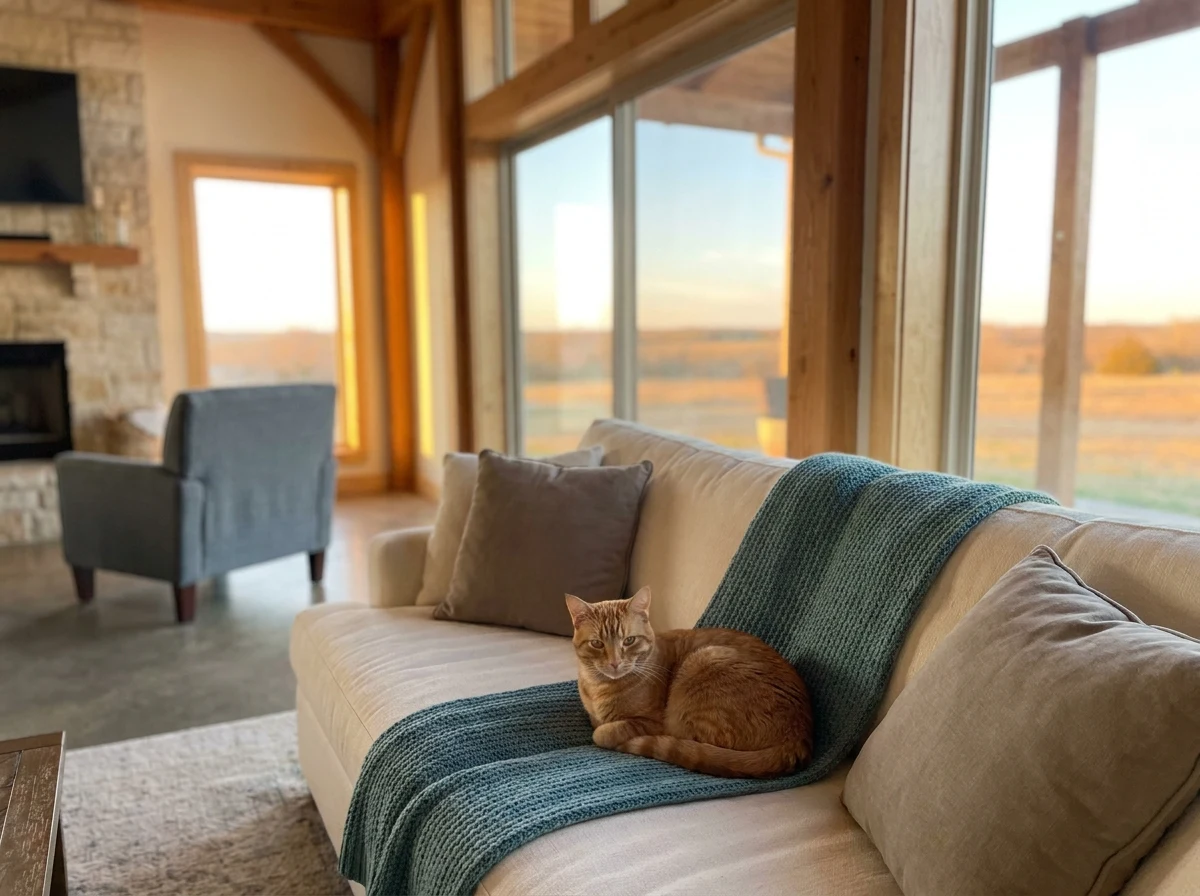
What Is an Emotional Support Cat, Legally Speaking?
An ESA cat is not a pet with a special title. It is an assistance animal that, under HUD's notice FHEO-2020-01 ("Assessing a Person's Request to Have an Animal as a Reasonable Accommodation Under the Fair Housing Act"), may be requested as a reasonable accommodation in housing. The request is supported by reliable documentation of a disability-related need. Texas mirrors the federal framework in the Texas Fair Housing Act (Texas Property Code, Chapter 301), which the Texas Workforce Commission Civil Rights Division enforces.
Unlike service dogs, ESAs are not trained to perform specific tasks, and the Fair Housing Act does not limit them to dogs. A cat is a common, legitimate choice.
For the full legal picture, see our complete guide to emotional support animals in Texas.
The Neurochemistry: Key Compounds Researchers Have Examined
A cat has no "active ingredient." The compounds worth discussing are the ones that research suggests change in people during positive contact with companion animals. Most of this literature covers pets in general, and dogs more than cats, so findings should be read as observations rather than guarantees.
| Compound | Role in the body | What research suggests |
|---|---|---|
| Oxytocin | Neuropeptide linked to bonding and social comfort | Some studies report rises in oxytocin during affiliative human–animal contact. Evidence for cats specifically is more limited than for dogs. |
| Cortisol | Primary stress hormone | Several small studies report lower cortisol or self-reported stress after calm animal interaction. Results vary by person and setting. |
| Serotonin and dopamine | Neurotransmitters involved in mood and reward | Researchers have proposed that routine, touch and caregiving may engage these systems. This remains an area of inquiry, not a settled mechanism. |
| Endorphins | Endogenous opioid peptides tied to comfort | Tactile contact is hypothesized to play a role, though direct evidence in cat–human pairs is sparse. |
The Purr Question
Domestic cats purr at roughly 25 to 150 Hz. Some bioacoustics researchers have speculated that vibrations in this range may be associated with tissue healing in cats, and some owners describe purring as soothing. Whether purring produces measurable therapeutic effects in humans has not been established. Treat the idea as an interesting hypothesis, not a clinical claim.
What the Research Suggests About Cats and Wellbeing
- Attachment is real. A 2019 study by Vitale and colleagues in Current Biology found that many cats show secure attachment behaviors toward their caregivers, broadly similar to patterns seen in dogs and infants. This challenges the stereotype of cats as indifferent.
- Companionship and mood. Tower and Nokota (2006, Anthrozoös) reported that, among the pet owners they surveyed, attachment to a pet was associated with less depression in some groups. The design was correlational, so it cannot show that a pet caused the difference.
- Cardiovascular associations. Qureshi and colleagues (2009, Journal of Vascular and Interventional Neurology) observed a lower rate of cardiovascular death among cat owners in a large US cohort. The authors cautioned against concluding that cats were the cause.
- Mixed and confounded evidence. Reviews of animal-assisted interventions repeatedly note small samples, self-selection, and difficulty blinding participants. Anyone who already enjoys animals may benefit more, and some people feel no change.
A fair summary is that research suggests many people with anxiety, depression or loneliness report feeling better with a companion cat. It does not show that a cat treats any condition. A licensed clinician decides whether an ESA is appropriate within a broader care plan.
Safety Profile and Contraindications
Responsible planning means weighing the downsides as honestly as the benefits.
Allergies and respiratory health
The main cat allergen, Fel d 1, is found in saliva and skin secretions and spreads easily through a home. People with asthma or known cat allergy should discuss this with a physician before adopting. Shared household members' allergies matter too.
Zoonotic considerations
- Toxoplasmosis (Toxoplasma gondii) can be a concern for people who are pregnant or immunocompromised. Cats shed the organism only for a short window, and indoor cats fed commercial diets are far less likely to be exposed. Ask your physician about litter-box handling precautions.
- Bartonella ("cat scratch disease") is usually mild but can be serious in immunocompromised people. Flea control and nail care reduce risk.
- Ringworm and parasites are typically managed with routine veterinary care.
Psychological and practical contraindications
An animal can add stress when the household cannot afford veterinary care, when a tenant has a severe animal phobia, or during an acute crisis when daily caregiving is itself overwhelming. Cats live 12 to 18 years or more, so an ESA cat is a long commitment. In Texas heat, keep cats indoors, because outdoor exposure brings heatstroke, traffic and disease risks.
Sourcing and Quality Indicators
No "best" breed qualifies as an ESA. Temperament matters more than pedigree. When choosing a cat, consider:
- Temperament fit. Adult cats from shelters and rescues have established personalities, which makes it easier to find one that is calm and comfortable with handling. Kittens are more energetic and less predictable.
- Veterinary baseline. Look for a documented exam, vaccinations (including rabies, which Texas requires for cats in many municipalities) and spay or neuter status.
- Microchipping. Many Texas shelters microchip adoptees, and a chip is the most reliable route home if a cat slips out.
- Reputable sources. Choose a local shelter, rescue, or a breeder who welcomes questions and health records. Avoid sellers offering "ESA-certified" kittens, because no such status exists.
How a Texas ESA Letter Works
Housing protection comes from a letter written by a licensed mental health professional (LMHP) licensed in Texas, such as an LCSW, LPC, LMFT, psychologist or psychiatrist, or another licensed provider acting within their scope. The clinician evaluates you individually. Approval is never automatic, and a legitimate evaluation can end without a letter.
Texas has no statutory waiting period of the kind some other states impose. A reputable provider will still take the time needed for a real assessment, and telehealth is a valid format when the clinician holds a Texas license. Our guide to Texas ESA letter requirements and who can write one explains what a valid letter contains and how to check a clinician's license.
What the letter does and doesn't do
- It may allow a tenant to request that a landlord make an exception to a "no pets" policy. Under HUD guidance, a landlord generally cannot charge a pet deposit or pet rent for a verified ESA, though tenants remain responsible for damage the animal causes.
- A landlord may deny a request in limited situations, such as when the specific animal poses a direct threat or would cause substantial damage that cannot be reduced by other means.
- It does not grant public-access rights to stores or restaurants. Texas Human Resources Code Chapter 121 covers service animals, not ESAs.
- It does not provide air-travel rights. The Department of Transportation removed ESAs from the Air Carrier Access Act in 2021, and airlines now treat them as pets. People who travel with a trained psychiatric service dog should speak with a clinician about that separate category.
A note on registries, ID cards and certificates
Registration, an ID card or a certificate is not a legal requirement. Housing rights under the Fair Housing Act come only from a letter written by a licensed mental health professional, and a landlord is not obligated to accept a registration number or card in place of that letter. Some people choose optional registration for practical reasons, chiefly a lost-pet recovery database that can help reunite a missing cat with its owner. Be wary of sites that sell a $40 "certificate" and imply it carries legal weight.
Questions to Ask Before You Decide
- Has a Texas-licensed clinician assessed whether an ESA fits my situation?
- Can I meet a cat's financial, daily-care and long-term needs?
- Do I or anyone in my household have allergies, pregnancy considerations or a weakened immune system that warrant a physician's input?
- Does my lease or community (including an HOA) raise any additional questions to review with an attorney?
Bottom Line
Research suggests the bond between people and cats may support wellbeing for some, while the evidence on specific mechanisms such as oxytocin, cortisol and purring remains preliminary. Whether an emotional support cat is right for you is an individual decision for you and a licensed clinician. In Texas, the legally meaningful step is a letter from a Texas-licensed professional, not a certificate, a vest or a registry entry.
Disclaimer: This article is for general information only and does not constitute medical, mental-health, or legal advice. Consult a Texas-licensed mental health professional about your needs. For landlord disputes, consult a Texas-licensed attorney, or contact your local legal aid office or the Texas Workforce Commission Civil Rights Division about Fair Housing Act enforcement.
Ready to start your Texas ESA letter?
Licensed Texas clinician review. Compliant with state law.
Get My Texas ESA Letter